RECESSED WALL LUMINAIRES

Explore Collection, Applications, and Specification Details

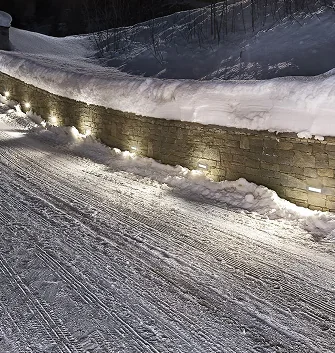
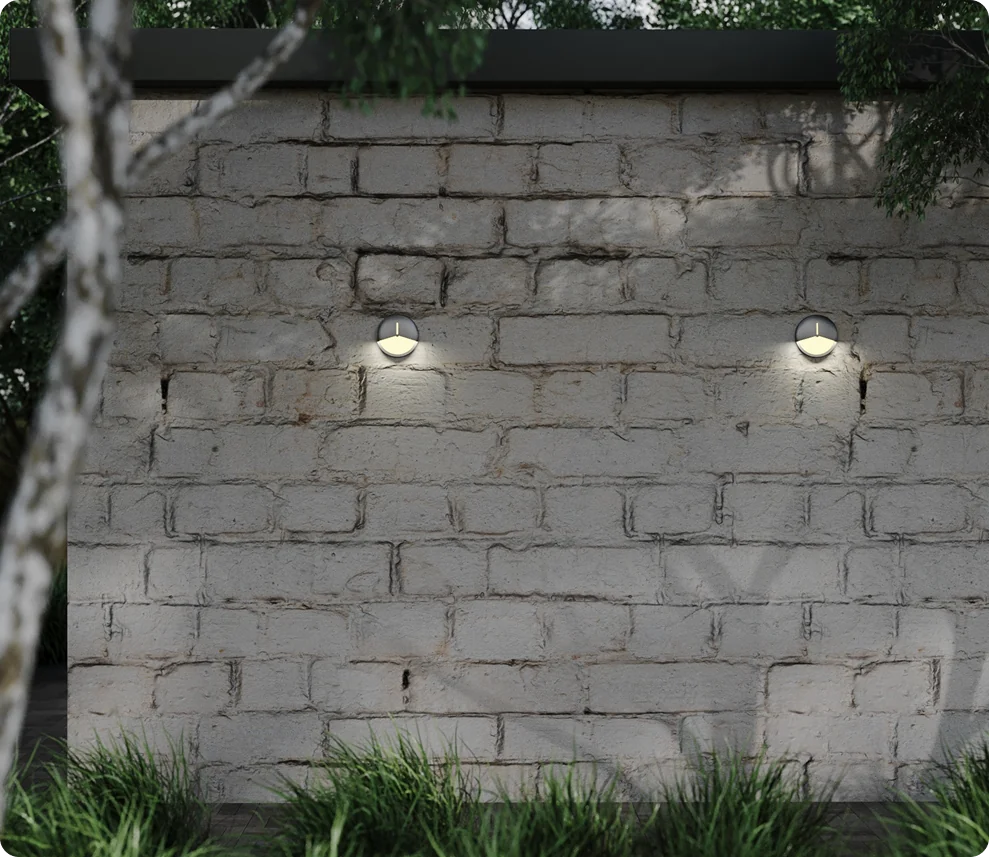
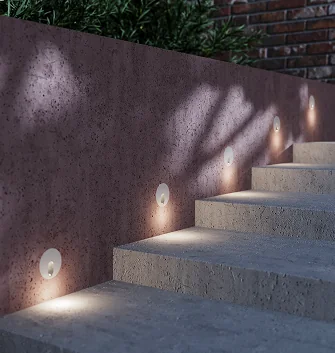
Recessed wall luminaires on a brick wall Recessed wall luminaire fixtures

Built into the wall.
Built to guide.

Why this collection?

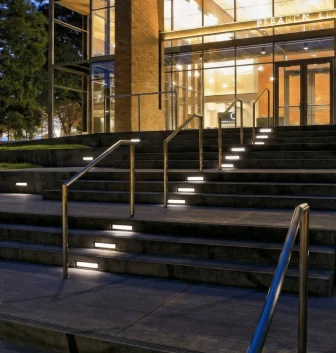
01Purpose-built for steps, pathways, and wall washing
02IK09/IK10 impact-rated for stairwells and public spaces
03Output as low as 0.2W — marks a step without lighting the room
041–10V, PWM, DALI, or non-dimmable
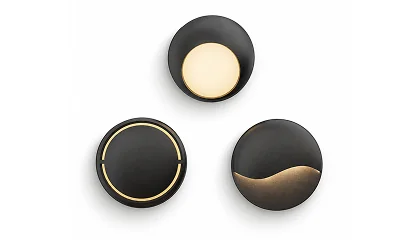
See Recessed Wall Luminaires Collection

Collection Range

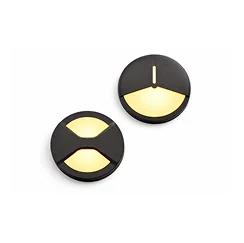
Round / Square

Round / Square

  • The standard recessed profile — compact and flush
  • General accent and step lighting
  • Multiple diameters and wattages
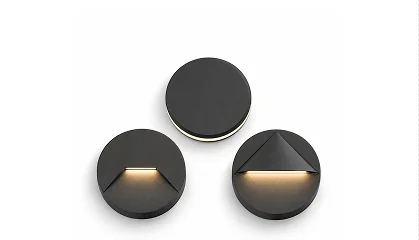
Stair / Pathway

Stair / Pathway

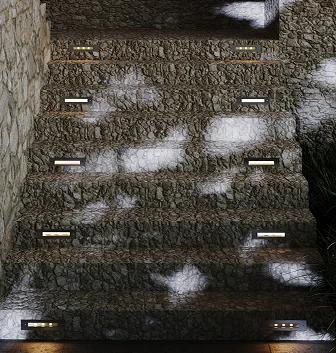
  • Built for risers, steps, and low-level path marking
  • Low output by design — as low as 0.2W
  • Impact-rated for foot traffic
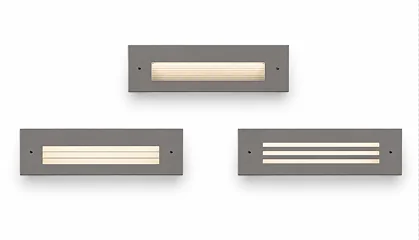
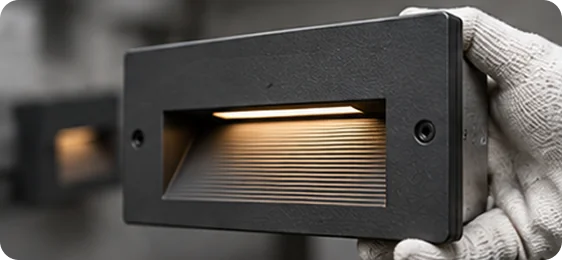
Wall Washer — Recessed

Wall Washer — Recessed

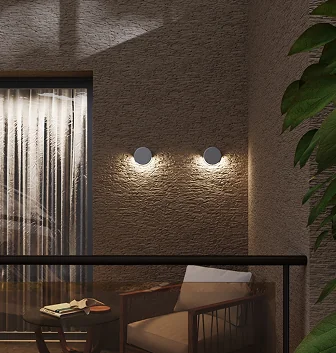
  • Wider, more diffused beam than round/square
  • Grazes a full wall, not a single point
  • Used on feature walls and façade bases
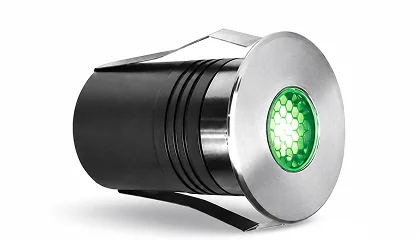
RGBW — Recessed Wall

RGBW — Recessed Wall

  • Full-color output, same platform
  • For seasonal, event, or branded moments
  • Same control system as the rest of a site

Materials

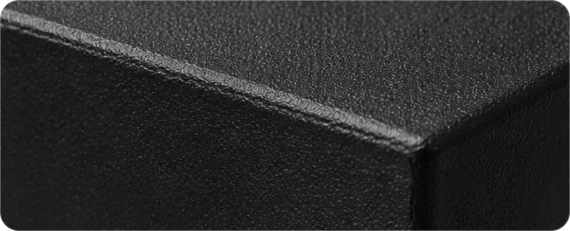
Die-cast powder-coated aluminum

#12 die-cast powder-coated aluminum

  • Consistent surface appearance
  • Balances cost, castability, color retention
  • The standard casting route for most fixtures
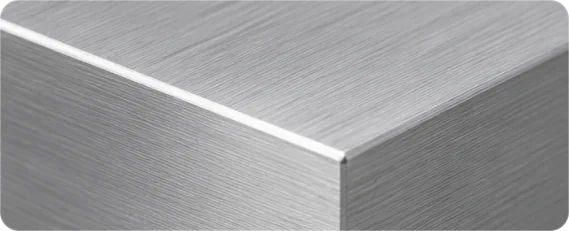
Extruded aluminum

Extruded aluminum

  • Structural alloy, extruded, not cast
  • High resistance to oxidation
  • Used for straight, linear profiles

Manufacturing: One Facility, Start to Finish

Every aluminum housing in this collection begins as raw metal, not a finished shape.

Die-casting, step by step

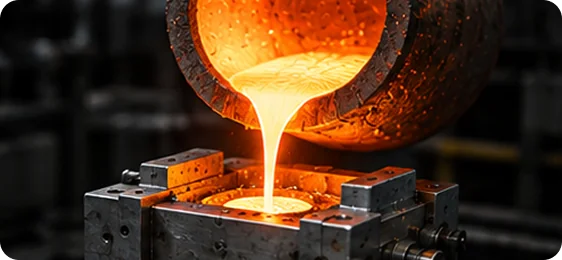
Melting
01

Melting

Aluminum ingots (12# / ADC12-grade alloy) melted in a furnace

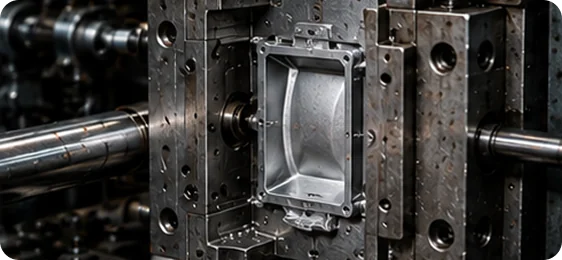
Injection
02

Injection

Molten aluminum is injected under high pressure into a hardened steel mold

Cooling
03

Cooling

The casting solidifies within seconds under continued pressure

Trimming
04

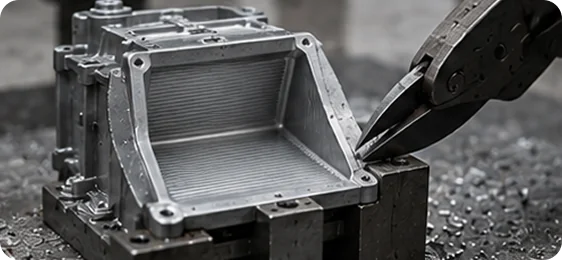
Trimming

Excess flash along the mold seams is removed

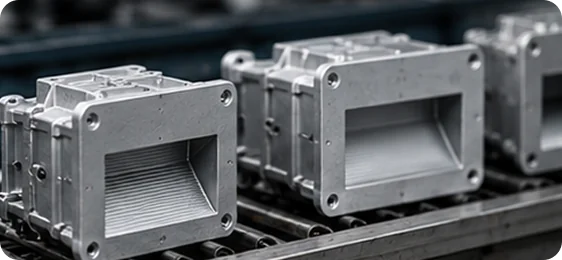
Machining
05

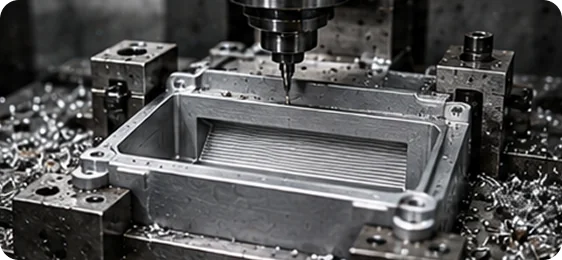
Machining

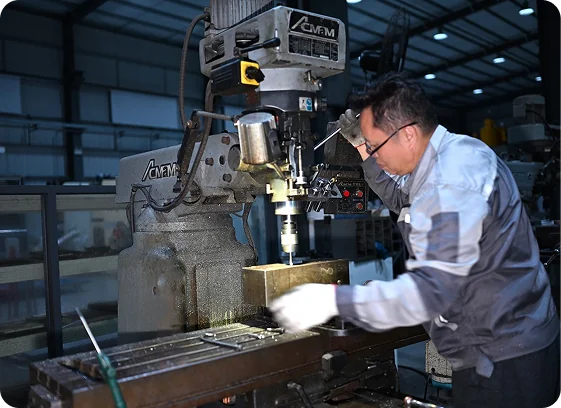
Mounting points and optic seats are CNC-machined to tolerance

Finishing
06

Finishing

Sanded, sealed, and powder-coated in the specified color

Custom Molded Shapes

Custom-molded forms give outdoor lighting greater flexibility in shape, scale, and integration while maintaining the performance required for exterior environments.

Custom molded housing Custom molds in the factory

Testing & Quality Control

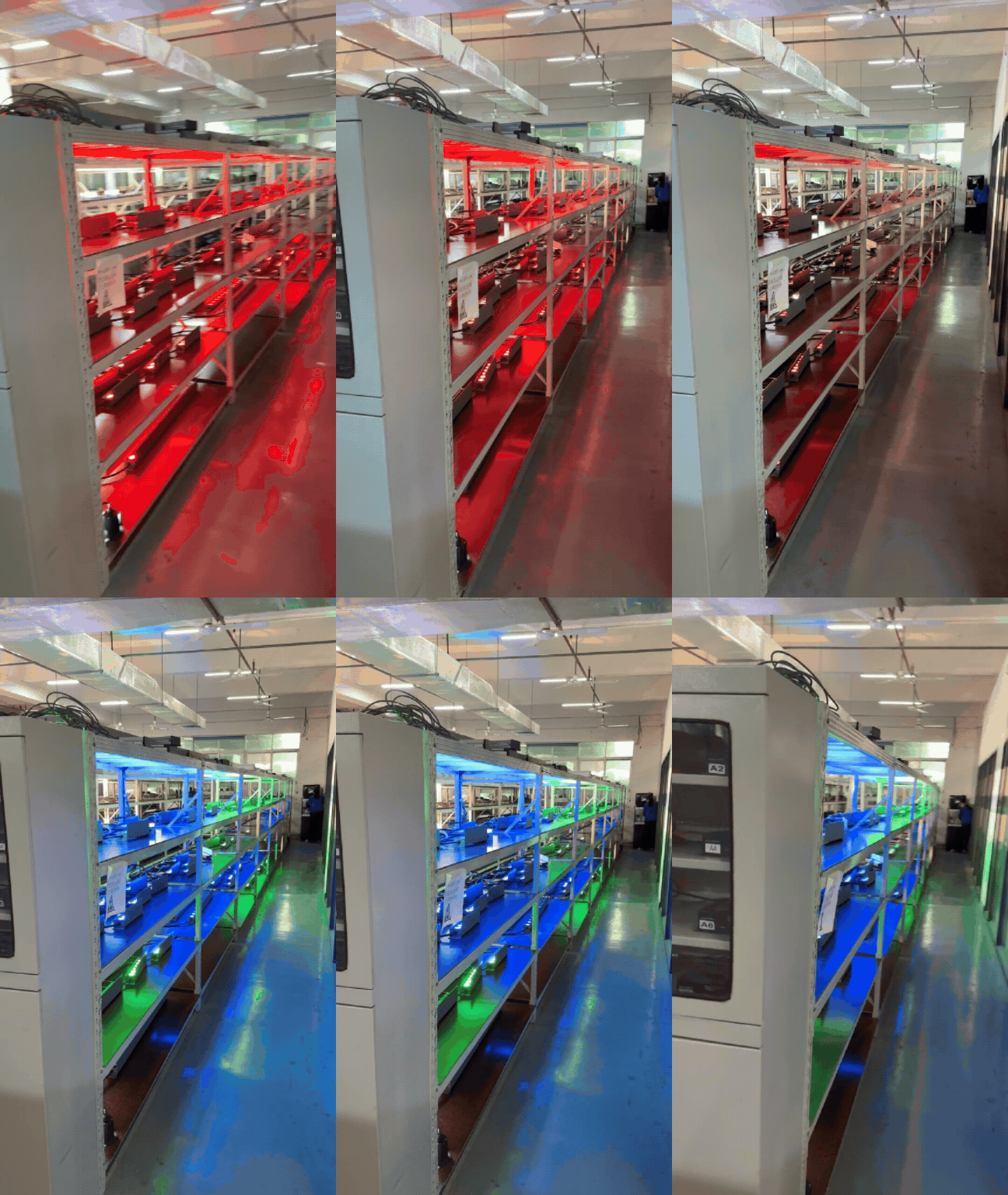
Every fixture is tested before it leaves the facility — not sampled, not spot-checked.

Incoming inspection

Raw materials and components are checked before production.

In-process inspection

Fixtures are checked at each production stage.

Final inspection

Every finished unit is inspected before it ships.

In-house lab testing

IP rating test

IP rating test

Confirms dust and water sealing meets its published rating, critical for a fixture recessed into the ground

Thermal shock test

Thermal shock test

Confirms housings and seals hold under rapid temperature swings

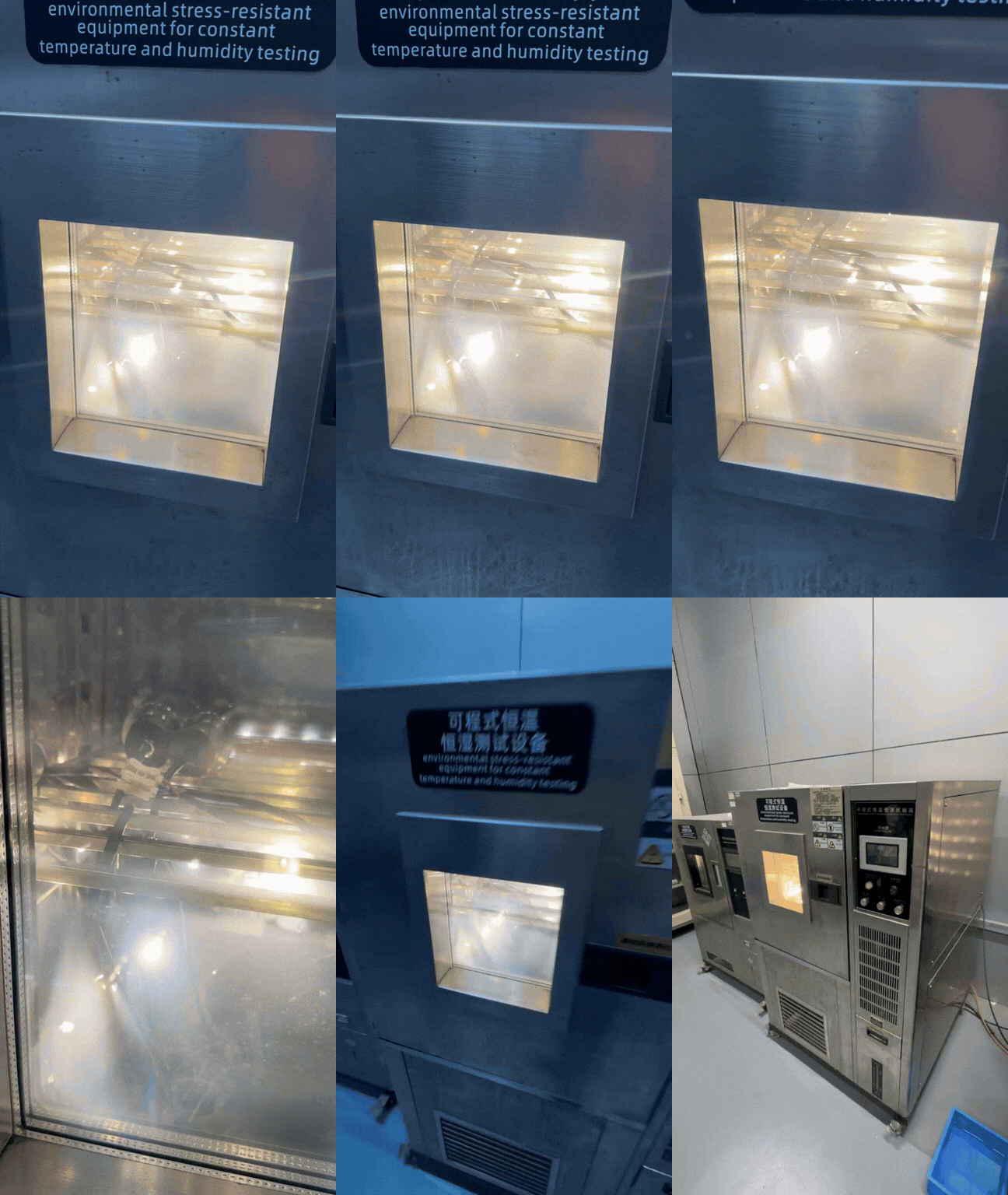
Environmental stress test

Environmental stress test

Simulates long-term outdoor exposure in temperature and humidity chambers

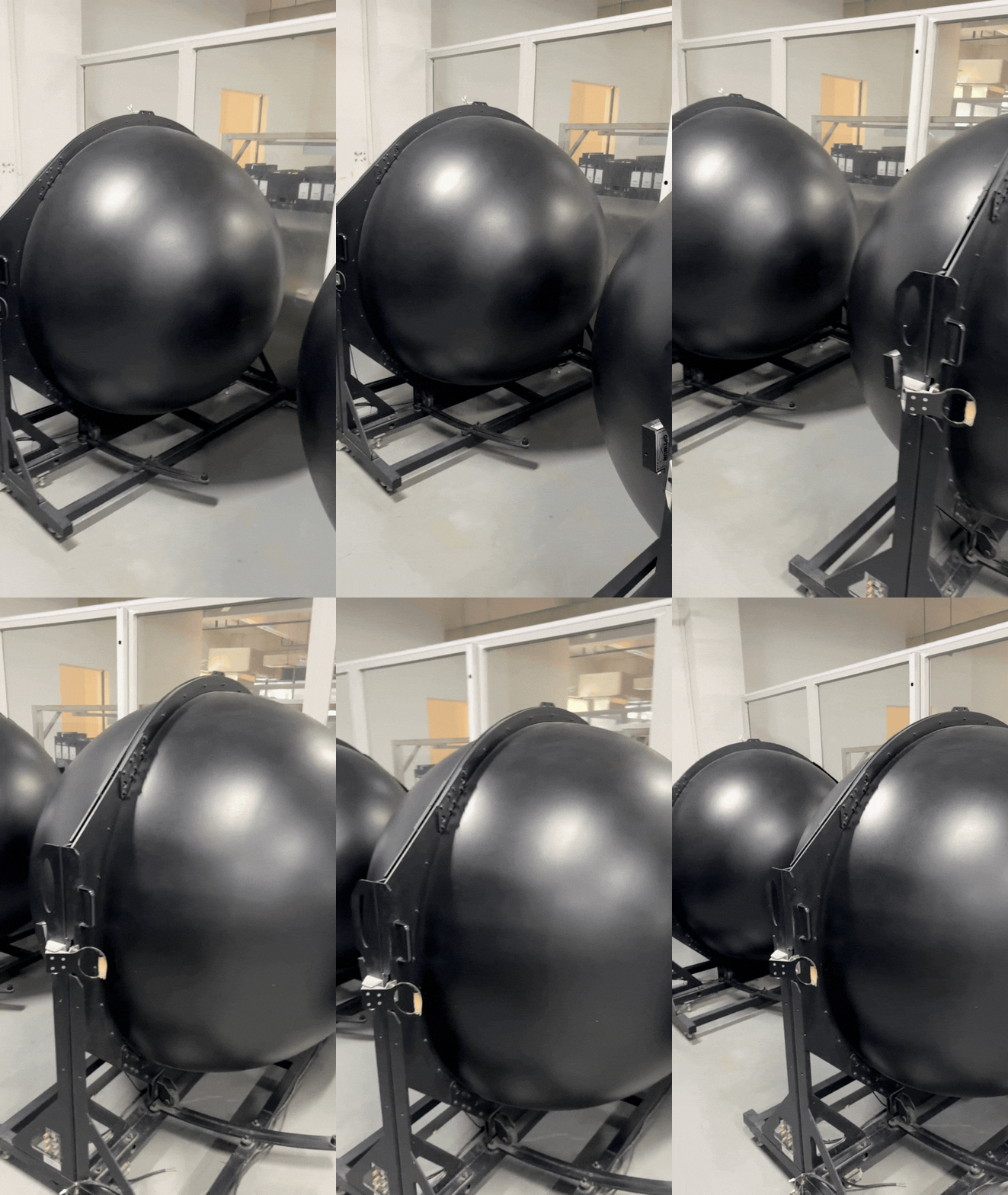
Optics testing

Optics testing

Confirms beam angle and output match spec

Materials & product testing

Materials & product testing

Verifies component strength and finish durability

Electrical safety test

Electrical safety test

Confirms wiring and insulation meet safety requirements

What sets us apart

Vertical Integration

Running the full process in-house — tooling, casting, machining, electronics, and finishing — rather than distributing it across outside subcontractors delivers three concrete advantages:

Get Specification Support
Vertical integration detail
01

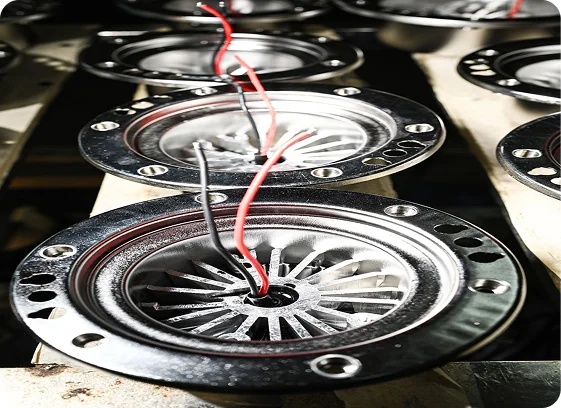
Machined flange, reamed bolt holes and a seated gasket — tolerance and finish quality visible in a single frame.

Vertical integration detail
02

Cutting our own tooling in-house means no waiting on an outside toolmaker between order and first unit.

Vertical integration detail
03

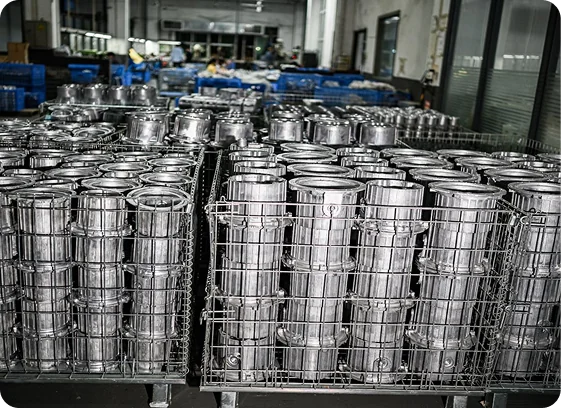
Hundreds of housings from one mold — dimensional repeatability is what holds a spec to the five-hundredth unit.

Dimming Options

0–10V

Analog dimming that works with most existing site controls, no retrofitting required.

DALI

Addressable, for projects running zoned commercial control.

PWM

Dims cleanly even at the lowest output levels, without visible flicker.

Installation Environments

Stairwells

Stairwells

Step and riser lighting, interior and exterior.

Pathways

Pathways

Low-level guidance recessed into walls or curbs.

Feature walls

Feature walls

Wall washer models for grazing large surfaces.

Wet or exposed sites

Wet or exposed sites

IP65-rated for rain and irrigation exposure.

High-traffic public spaces

High-traffic public spaces

IK09/IK10 rated for regular contact.

Specify the effect.
Keep the wall clean.

Choose your product and specify it your way.
Our team is here to help at every stage.

Questions & Answers

Round and square models are the standard compact, flush profile for general accent and step lighting. Wall washer models have a wider, more diffused beam that grazes a full wall rather than lighting a single point, which suits feature walls and façade bases.

Yes. The collection is IP65-rated for rain and irrigation exposure, so it can be used on wet or exposed sites as well as interiors.

IK is the rating for impact resistance. IK09 and IK10 are the top of the scale, meaning the housing withstands heavy knocks, which is why these fixtures suit stairwells and high-traffic public spaces where they are in regular contact with people and equipment.

Yes. Fixtures are available with 1–10V, PWM, or DALI dimming, or as non-dimmable versions, so they can work with most existing site control systems.
#12 die-cast powder-coated aluminum is the standard casting route for most fixtures, balancing cost, castability, and color retention with a consistent surface. Extruded aluminum is a structural alloy with high resistance to oxidation, used for straight, linear profiles.

Stair and pathway fixtures are low output by design, starting as low as 0.2W, so they mark a step or path without lighting the whole space.